Gnome Coffee Holiday Christmas Design Review
There is a specific kind of magic that happens when a design bridges the gap between whimsical illustration and technical embroidery. As someone who has stitched hundreds of holiday projects for clients and sold dozens of handmade goods on Etsy, I know that not every cute image translates well to thread. Gnome Coffee Holiday Christmas Design caught my eye immediately because it hits that sweet spot of seasonal charm without feeling overdone. It feels like a warm mug of coffee on a snowy morning, but does it hold up under the needle? In this review, I am breaking down exactly how this piece performs in real-world scenarios, from custom sweatshirts to boutique gift items.
The First Impression: Mood and Visual Personality
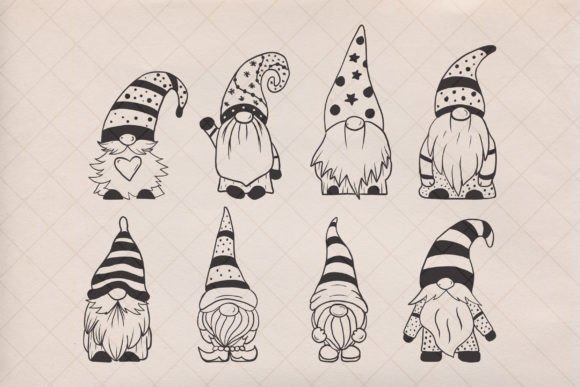
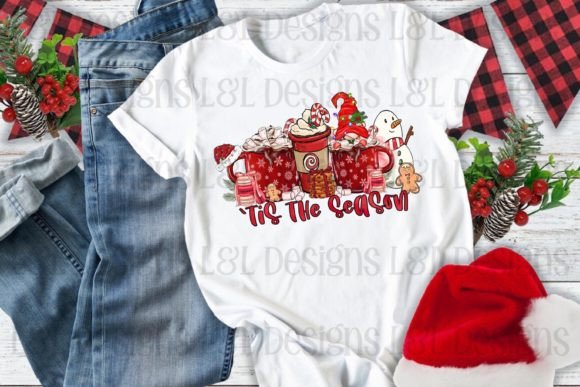
When you first look at Gnome Coffee Holiday Christmas Design, the mood is instantly cozy. It avoids the chaotic clutter often found in generic holiday graphics. Instead, it offers a focused narrative centered around warmth and comfort. The illustration style suggests a hand-drawn quality that works beautifully when converted into stitches. For an embroidery designer, the initial appeal lies in the balance of detail and simplicity. It creates a sense of nostalgia that customers love, making it perfect for personalized gifts or small business merchandise that needs to feel authentic rather than mass-produced.
The layout is versatile enough to work as a standalone focal point on a garment or as part of a larger collection. Whether you are creating a matching set for a family or a single statement piece for a boutique, the visual personality of this design sets a tone of relaxed celebration. It is not screaming for attention; it is inviting you in. That subtle approach is often what separates a professional finished product from something that looks like a hobbyist attempt.
Real-World Application: From Digital File to Finished Product
I recently put Gnome Coffee Holiday Christmas Design to the test while preparing a custom order for a local craft fair. The goal was to create a line of embroidered tote bags and kitchen towels featuring this motif. The transition from digital file to machine embroidery required careful planning regarding hoop size and stabilizer selection. On a sturdy canvas tote bag, the design held its shape remarkably well. The lines remained crisp, and the color separation allowed for distinct threads to pop against the fabric texture.
However, the true test came when I applied it to a baby onesie. This is where stitch density becomes critical. Because the design features rounded shapes typical of a gnome figure, it requires a stable foundation to prevent puckering. With the right water-soluble stabilizer, the result was soft and flexible, draping perfectly over the curve of a baby's shoulder. It transformed a simple garment into a cherished keepsake. This versatility makes it an excellent asset for digital product sellers looking to offer mockups for nursery decor or holiday apparel.
I also considered using this design for a commercial embroidery project on dark-colored sweatshirts. The contrast provided by the lighter elements of the illustration stands out clearly, ensuring high visibility. When paired with metallic threads for accents, the design gains a premium feel that justifies a higher price point for handmade products. It is this kind of adaptability that makes it a valuable addition to any library of design assets.
Navigating Challenges: Where Caution is Required
While Gnome Coffee Holiday Christmas Design is robust, no design is without its limitations. There are specific scenarios where caution is necessary to ensure a professional outcome. One area to watch closely is the use of small hoop sizes. If you attempt to stitch this on a very small patch or a cap brim, the fine details might get lost or become difficult to execute cleanly. The intricate parts of the illustration require enough space to allow the machine head to move freely without crowding.
Texture is another factor that can make or break the final look. While it works well on smooth cottons and linens, applying it to heavily textured fabrics like bouclé or thick fleece can obscure the details. The satin stitch areas might struggle to lay flat if the underlying fabric is too uneven. Similarly, stretchy fabrics like jersey require extra care. Without proper hooping techniques and tear-away stabilizers, the tension could cause the design to distort, ruining the silhouette of the gnome or the coffee cup.
Dense stitch areas are also worth noting. If the design includes significant fill stitches, running them on thin fabric without adequate backing can lead to visible puckering on the reverse side. For products that need frequent washing, such as aprons or tea towels, it is vital to check the stability of the stitches after the first wash cycle. Sometimes, the friction of washing can pull at loose ends if the design was not optimized for durability. Always inspect the corners and tiny lettering if included, as these are the first places to show wear.
Practical Designer Notes for Success
To get the most out of this Gnome Coffee Holiday Christmas Design, experienced makers should follow a few practical steps before committing to a full production run. First, always test the design on scrap fabric that matches your intended material. This allows you to gauge the stitch density and see how the thread colors interact with the background. A black and white mockup can also be useful to verify contrast levels before spending money on colored threads.
Selecting the correct stabilizer is non-negotiable. For lightweight fabrics, a cut-away stabilizer provides the long-term support needed to keep the embroidery flat. For heavier items like denim jackets, a heavier weight stabilizer might be necessary. Additionally, review the thread colors carefully. High-quality embroidery files rely on color changes to define the image, so choosing threads that match the original illustration intent is crucial for brand consistency.
If you are planning to sell finished items, confirm the licensing terms explicitly. Some digital embroidery files restrict commercial use unless a specific license is purchased. Understanding these boundaries protects your small shop product from legal issues. Furthermore, consider how the design will appear in printable mockups. Since many buyers purchase online based on images, ensuring the digital preview accurately reflects the stitched texture helps build customer trust.
Final Thoughts on Value and Appeal
In the end, Gnome Coffee Holiday Christmas Design proves itself as a reliable tool for creative entrepreneurs. It balances aesthetic charm with technical feasibility, making it suitable for everything from hobbyist gifts to commercial embroidery projects. The design elevates the perceived value of a handmade product, turning a standard tote bag or pillow cover into a unique, story-driven item. For Etsy sellers and boutique owners, it offers a way to tap into the holiday market with a design that feels fresh yet familiar.
Whether you are adding it to your catalog of digital embroidery files or stitching it onto a custom sweatshirt for a client, this piece delivers on its promise. It reminds us that great embroidery is not just about the machine speed or the thread count, but about the story the design tells. By paying attention to fabric choices, stabilizer types, and testing protocols, you can ensure that every finished product reflects the high standards your customers expect. This design is a strong contender for anyone looking to add a touch of festive warmth to their portfolio.